
Rust for CPython Targets Python 3.16
Rust for CPython now has a working CI-built fork and a PyO3 proof of concept, but the project remains experimental and targets Python 3.16 rather than a confirmed release integration.
Rust for CPython now has a working CI-built fork and a PyO3 proof of concept, but the project remains experimental and targets Python 3.16 rather than a confirmed release integration.
CPython now officially supports 64-bit RISC-V Linux as a Tier 3 platform. Here is what the designation means for builds, CI, package distribution, and production planning.

Build cleaner Python record classes with @dataclass, default fields, generated methods, and custom validation using __post_init__.
Python Dataclasses with @dataclass: Fields, Defaults, and Validation Read More »

Sort customer dictionaries confidently in Python using custom key functions, tuple-based ordering, and reliable handling of missing values.
Sorting Lists of Dictionaries in Python with Custom Sort Keys Read More »

Learn to use Python’s requests library to call a REST API, inspect responses, parse product data, and handle network and HTTP errors.
How to Make HTTP Requests in Python with the Requests Library Read More »
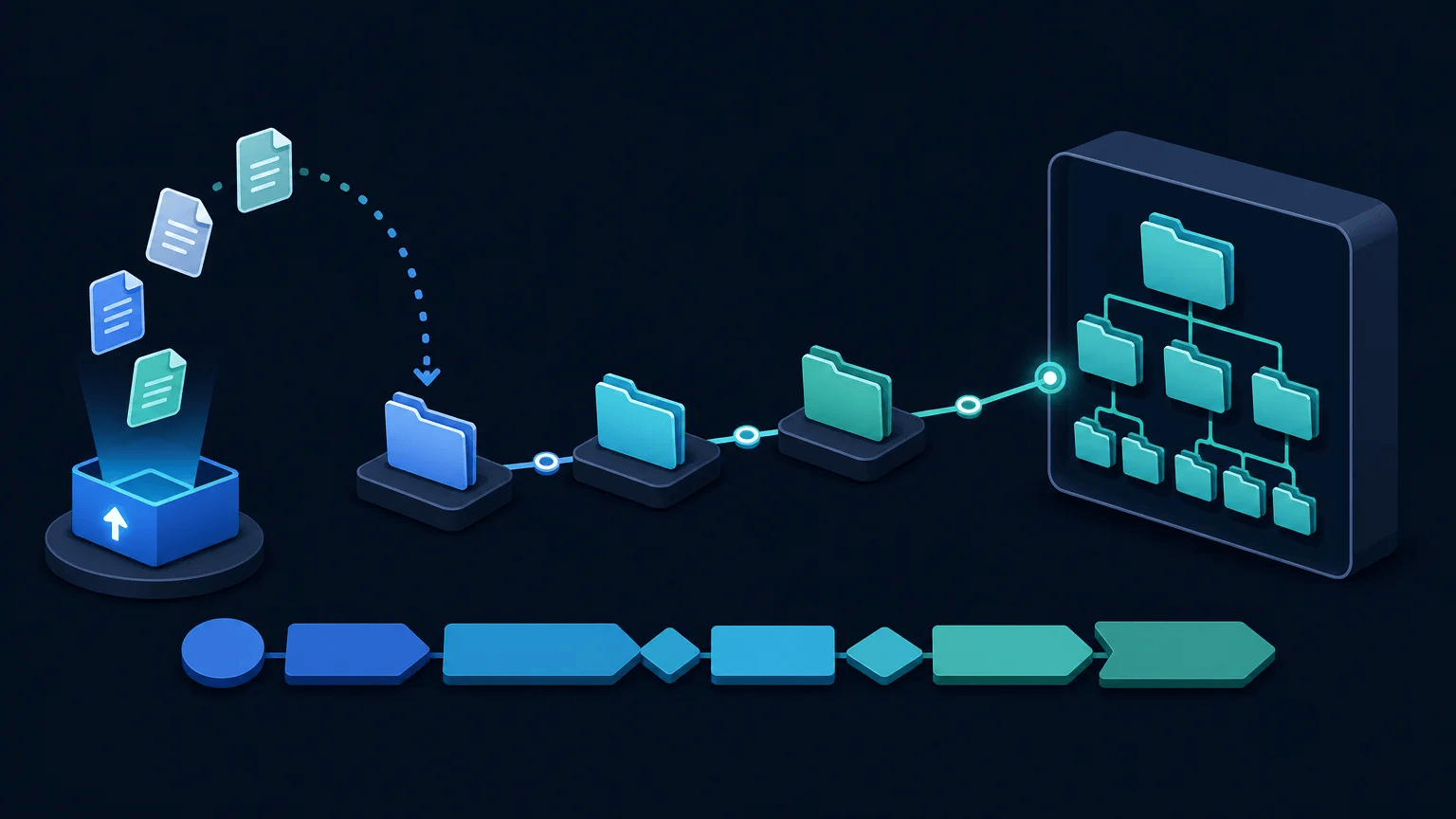
Use Python’s pathlib module to build portable file paths, inspect path components, create folders, and safely prepare uploaded-file destinations.

Learn the basics of Python testing with pytest by building a discount calculator, writing unit tests, following naming conventions, and running test suites.
Testing Python Code with pytest: A Beginner’s Guide Read More »

Build practical Python command-line tools with argparse. This beginner tutorial covers required arguments, optional flags, validation, file processing, and helpful CLI output.
Build a Command-Line Interface in Python with argparse Read More »

Practice Python regex techniques for finding email addresses in logs, validating email-like input, and avoiding common matching mistakes.
Regular Expressions in Python: Extracting and Validating Email Addresses Read More »

Learn to create Python dates and date-time values, calculate due dates with timedelta, format readable output, and build a simple appointment schedule.